Case study 04 / 13
HCI case study
Perfect Posture Case Study
Enhancing Gamers' Health Through Ergonomic Intervention.
- Shipped
- June 17, 2024
- Reading time
- 6 min read
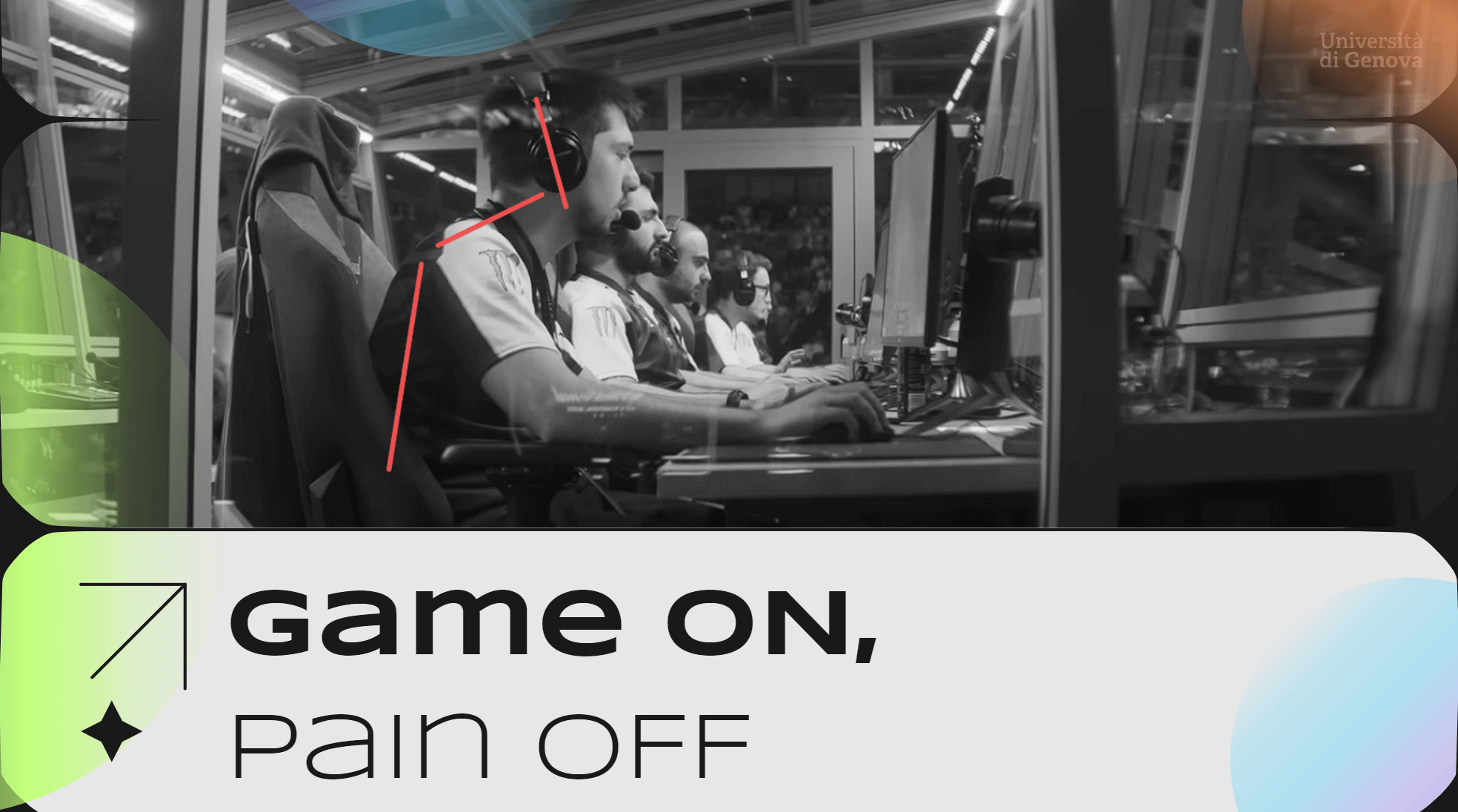
The case study
Perfect Posture Case Study
Enhancing Gamers' Health Through Ergonomic Intervention
User Research Prototype Testing Computer Vision Ergonomics
Authors: AmirArsalan Serajoddin, Ali Rahneshin
Introduction
Background: Prolonged gaming sessions can lead to various health issues, including musculoskeletal disorders (MSDs) and metabolic syndrome. Recognizing this, the "Perfect Posture" project was initiated to develop a solution aimed at mitigating these health risks by promoting better posture among gamers.
Project Overview: The project spans multiple iterative phases, each refining the system's capabilities through user feedback and technological enhancements. This case study outlines the development process from initial concept to final prototype testing and presentation.
Iterative Development Process
Iteration 1: Problem Identification and Initial Concept
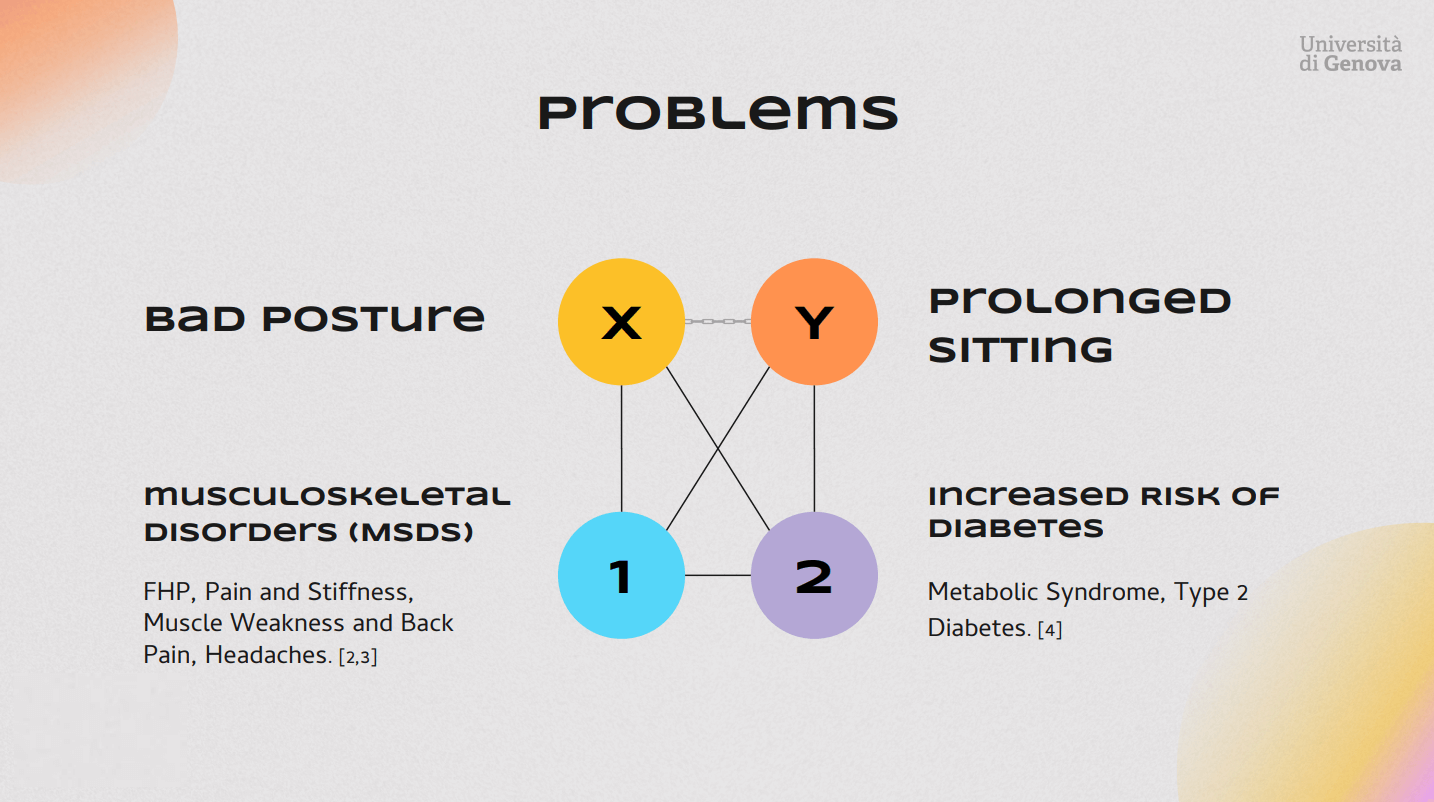
- Objective: Identify key health issues associated with gaming and conceptualize a potential solution.
- Activities: Reviewed literature to understand the scope of health issues among gamers.
- Outcome: Defined the project's primary goal—to reduce musculoskeletal problems and metabolic risks through better posture. Established the initial concept for a posture monitoring system using digital tools and ergonomic methodologies.
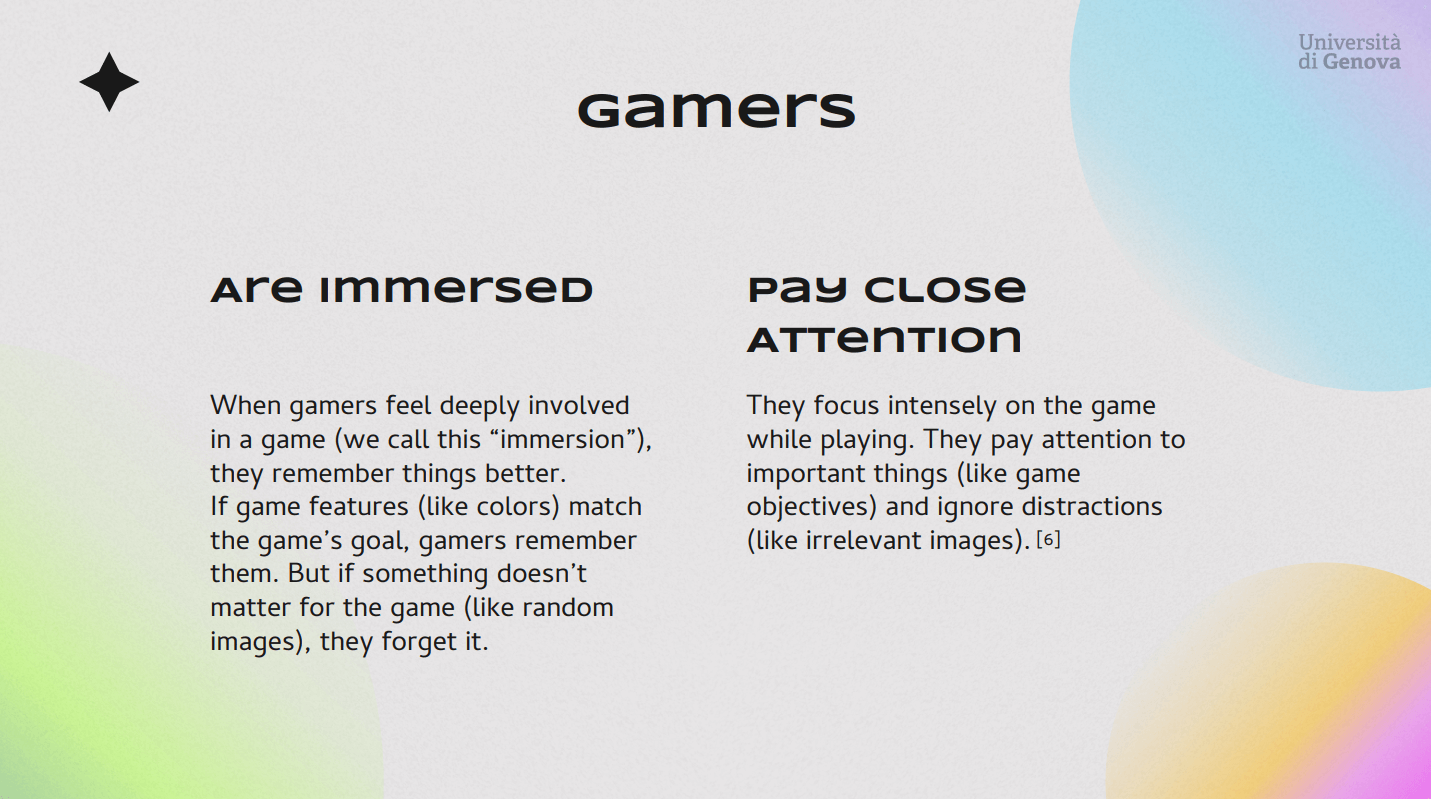
Iteration 2: Persona and Scenario Development
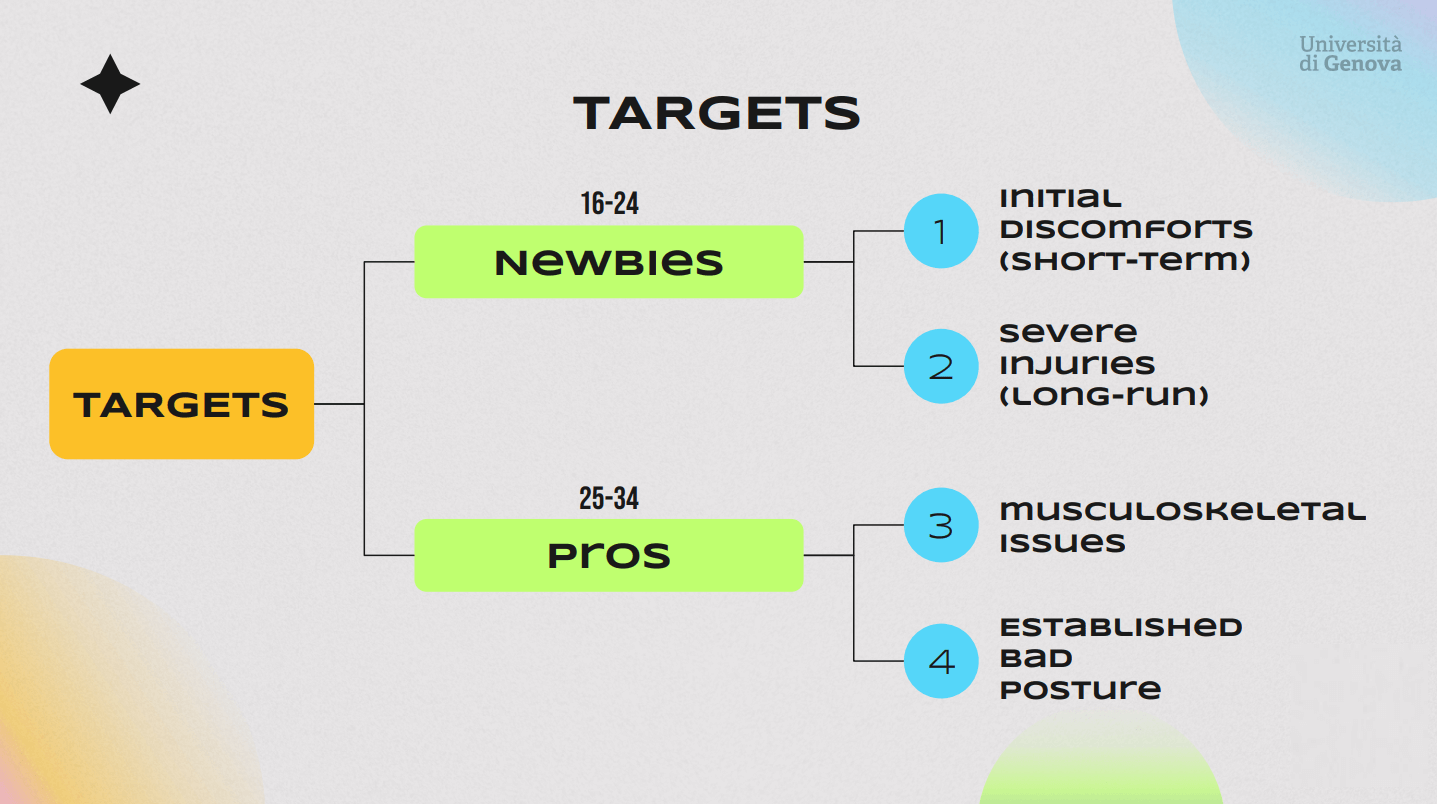
Objective: Develop personas representing the target user base and create scenarios to guide system design.
Personas Created:
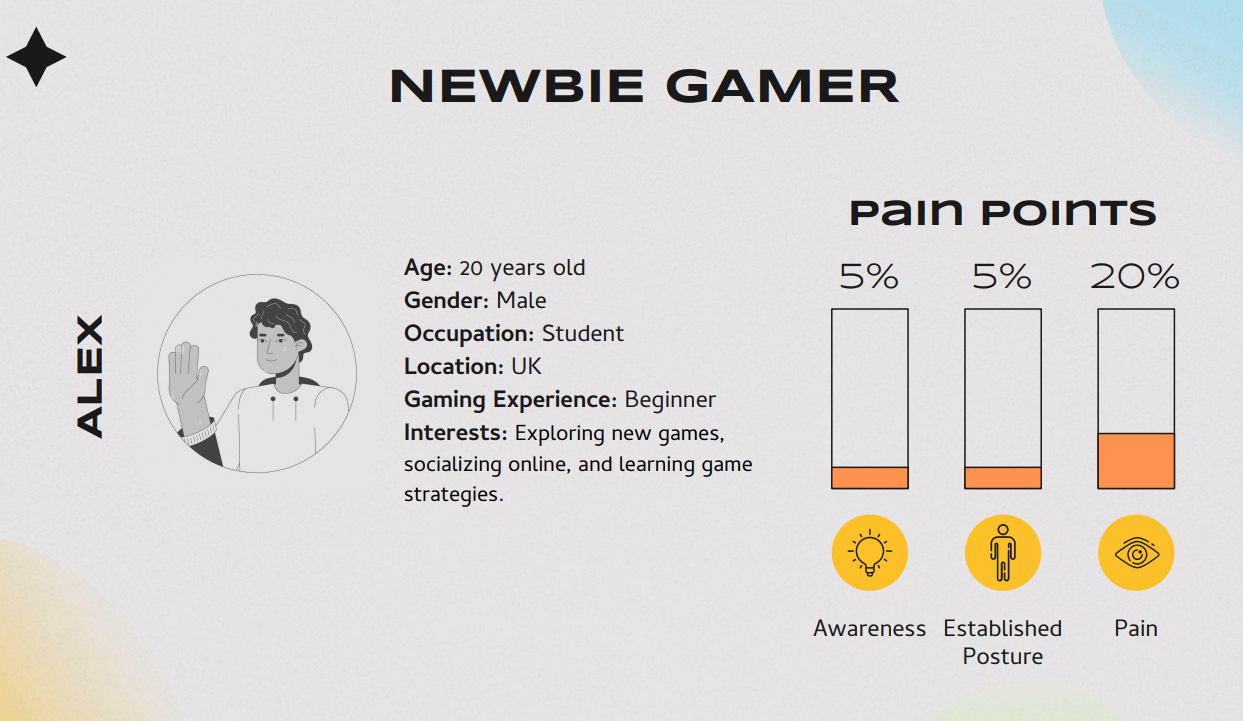
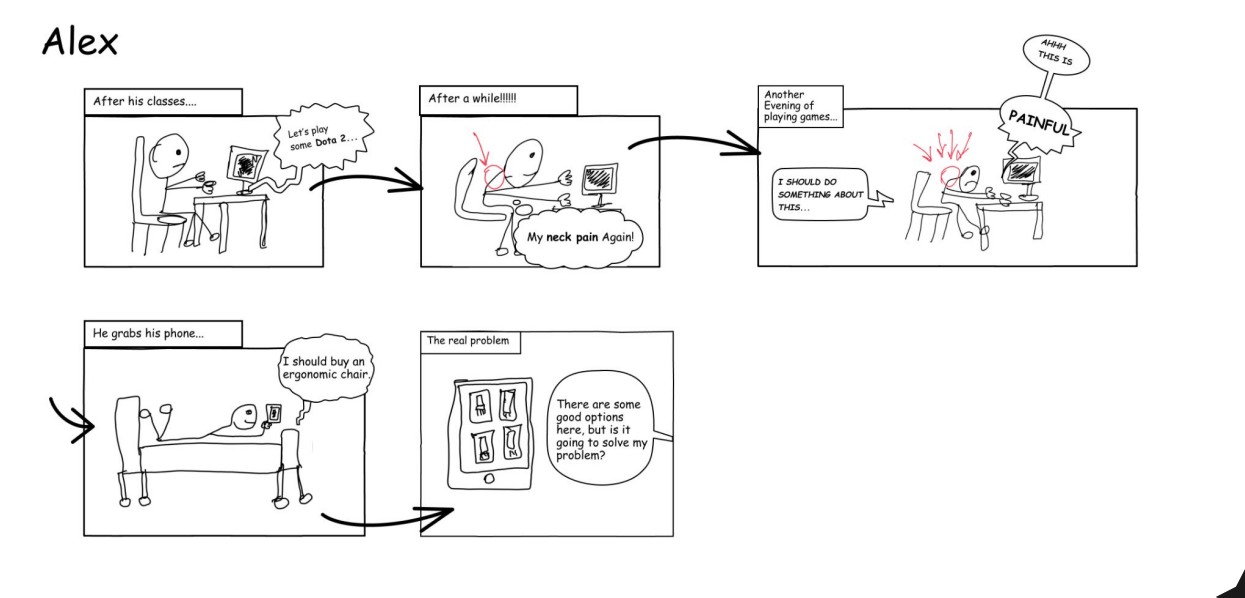
• Alex: A 20-year-old newbie gamer with limited awareness of posture implications.
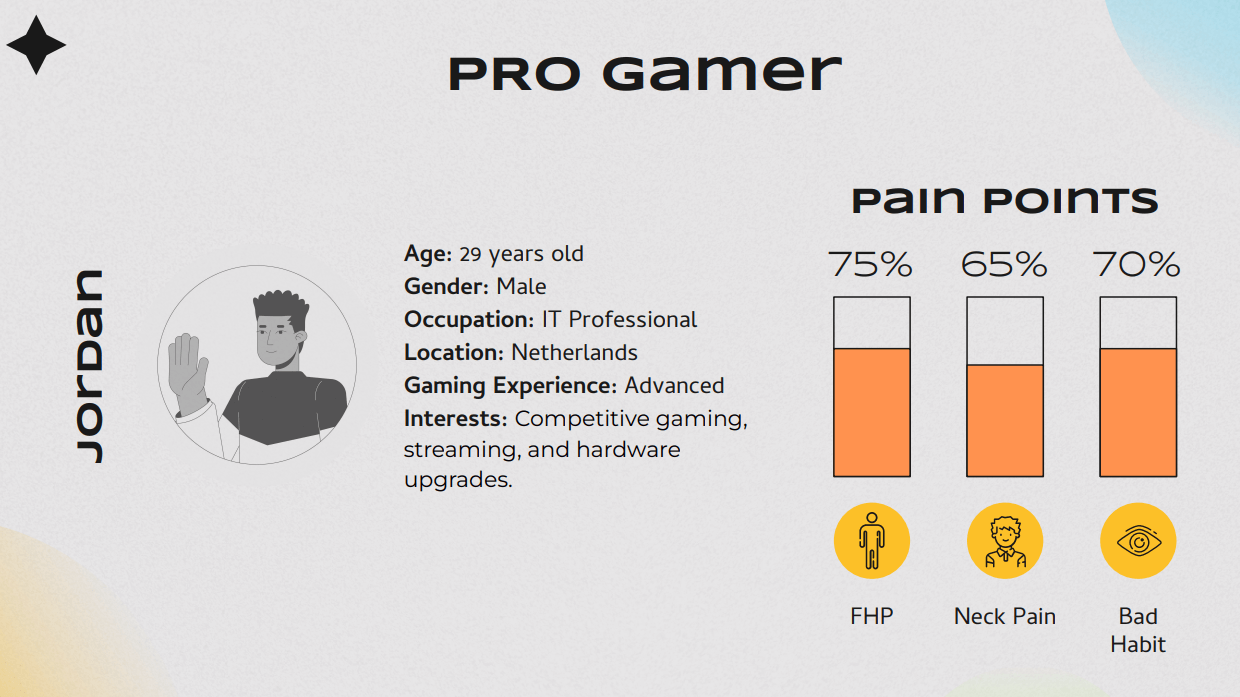
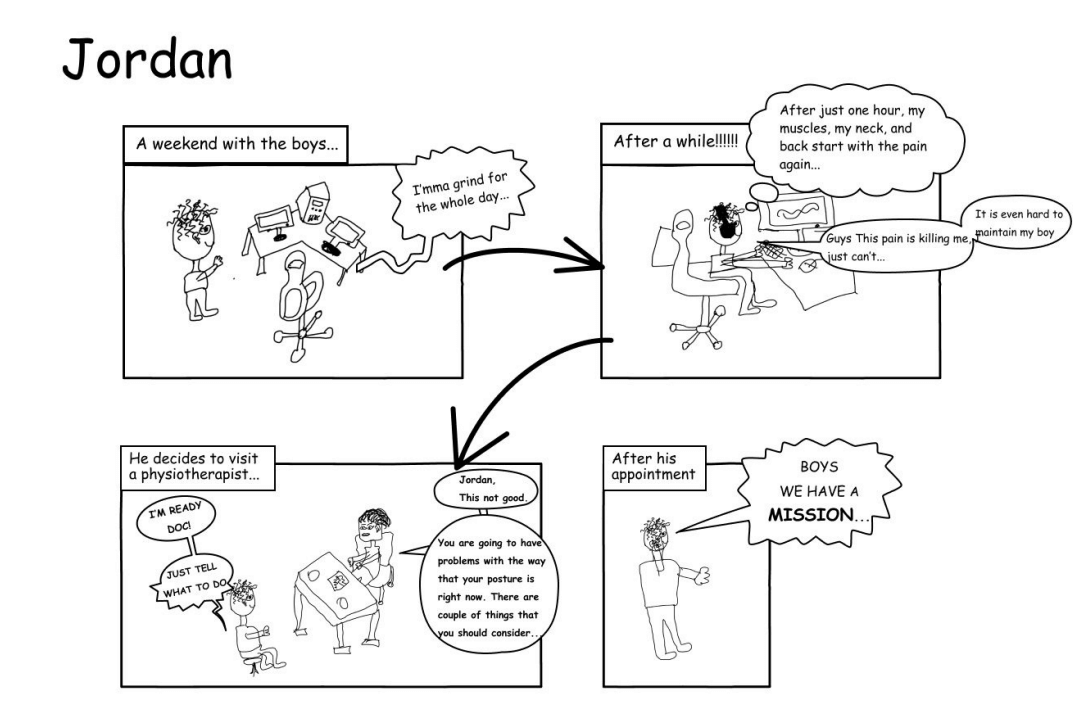
• Jordan: A 29-year-old professional gamer experiencing neck pain and other posture-related issues.
Scenarios: Focused on gaming environments where posture correction is most needed, guiding the design towards real-world application.
Iteration 3: Feature Design and Prototype Development
- Objective: Design the features of the "Perfect Posture" system and develop an initial prototype.
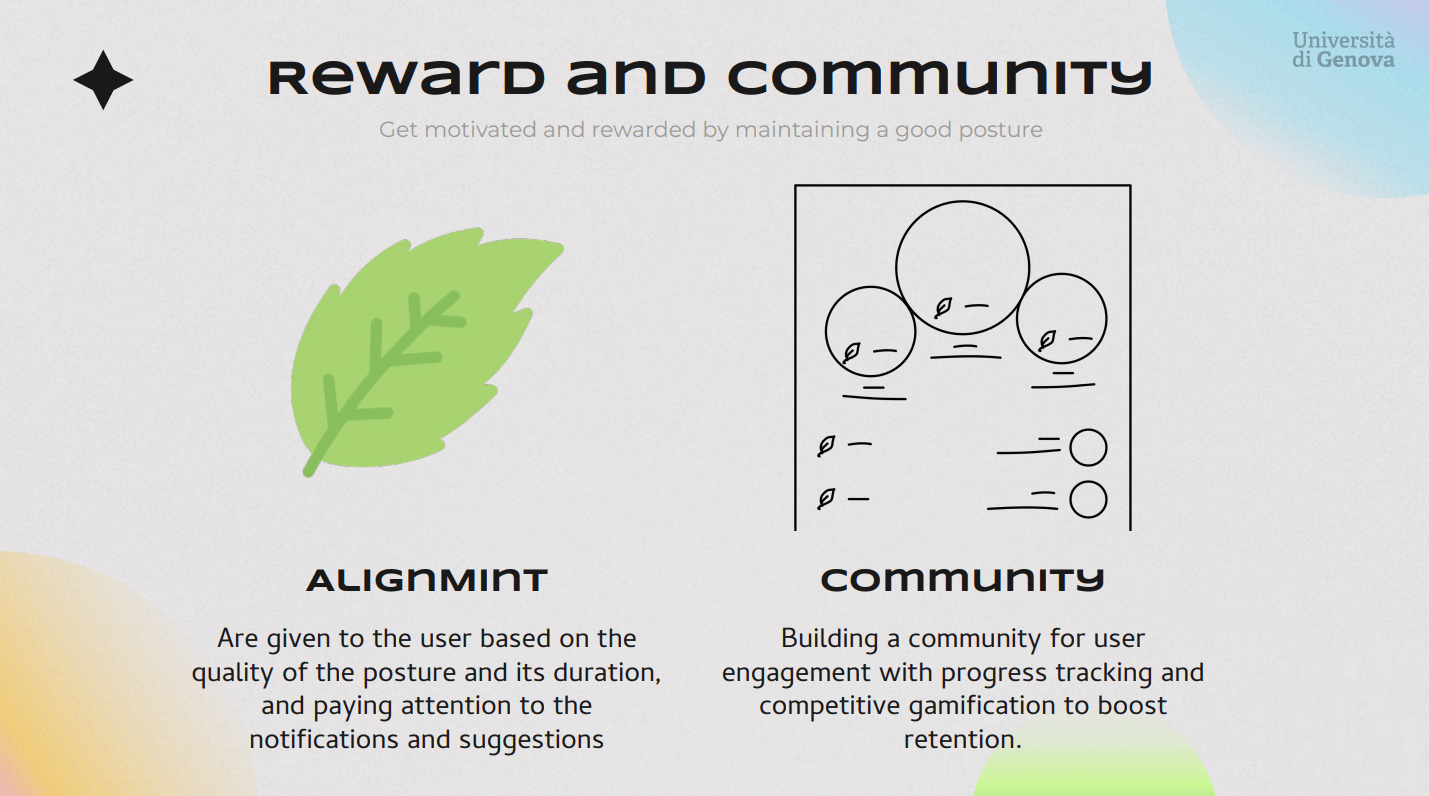
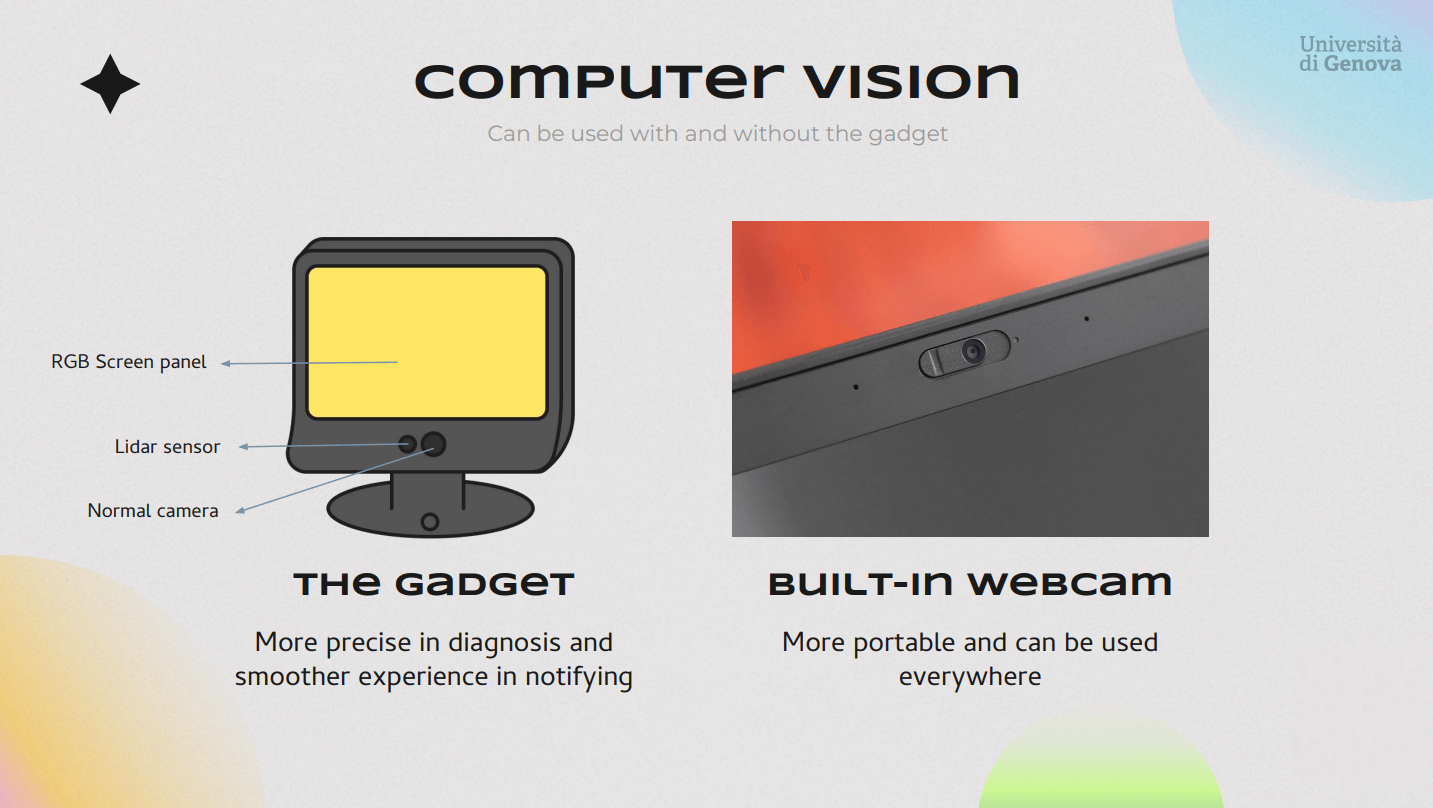
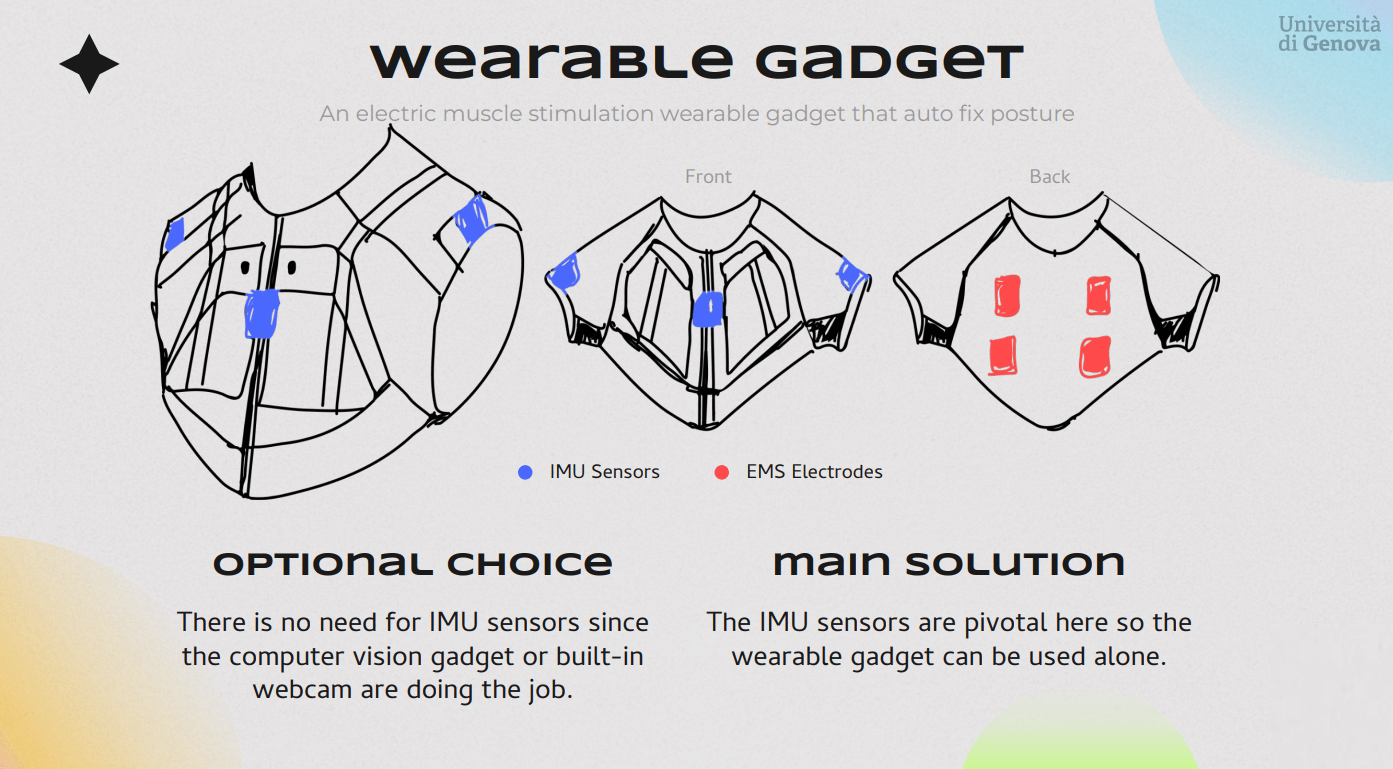
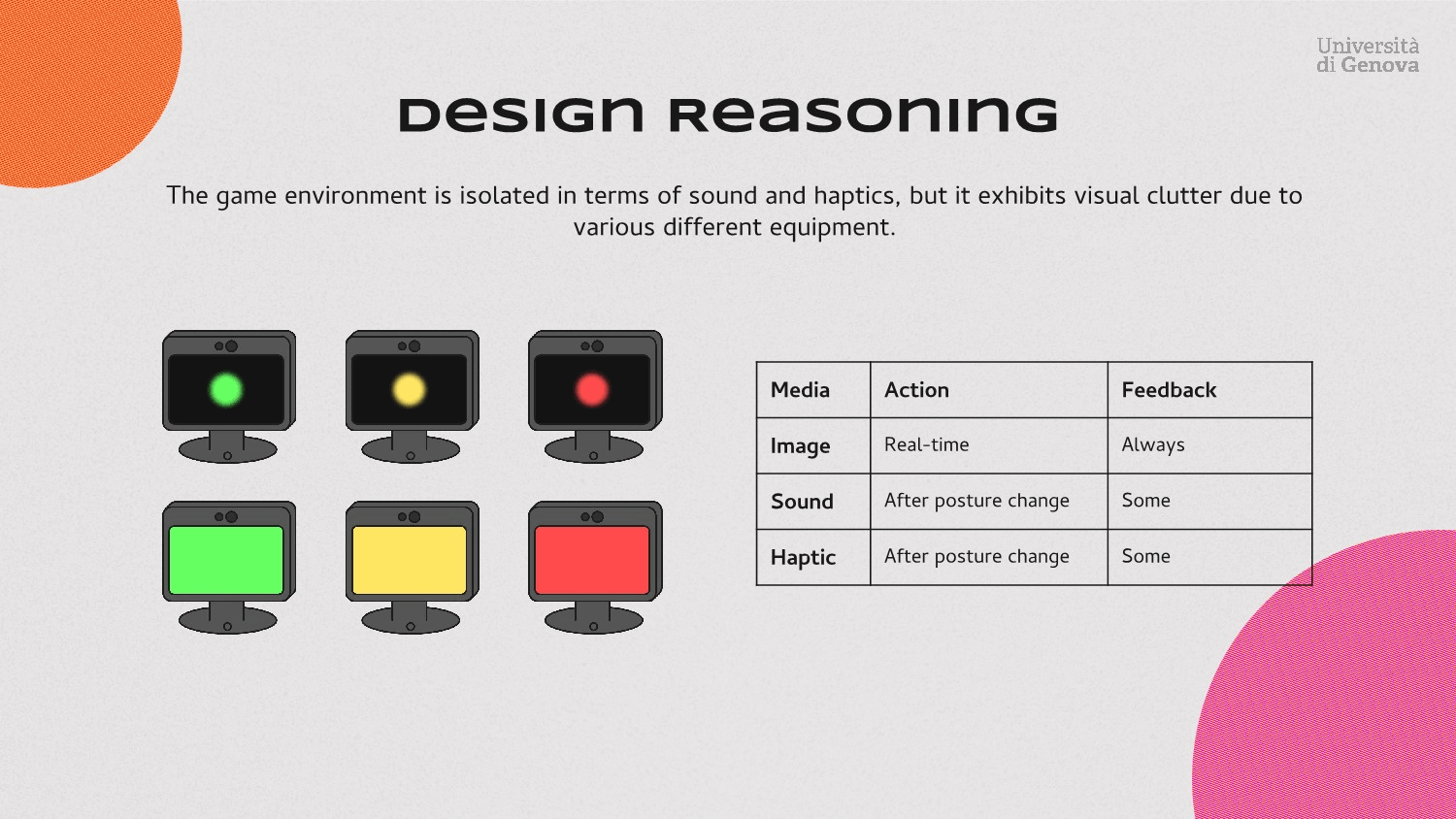
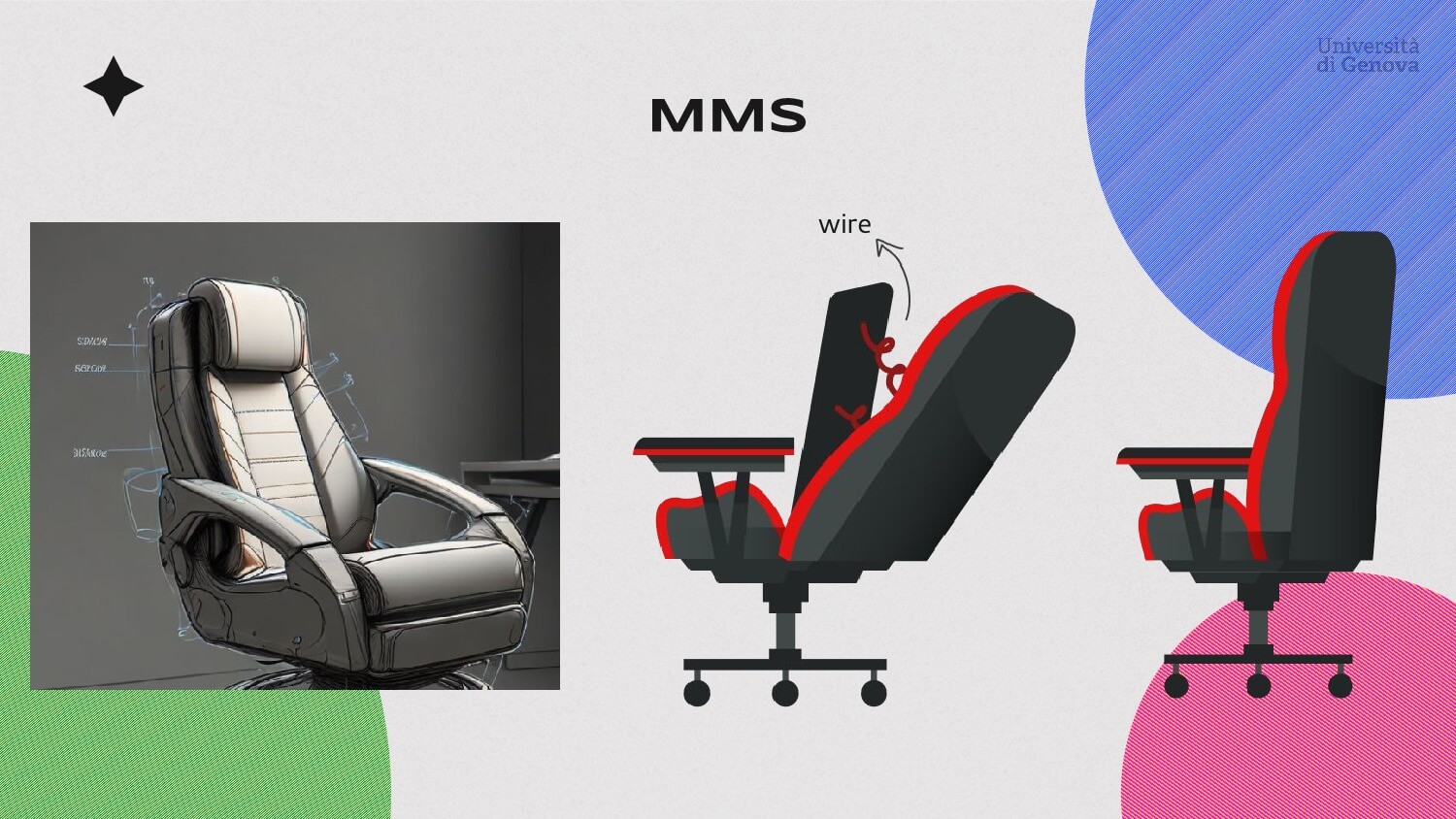
- Key Features: Computer vision for posture tracking, real-time feedback through visual and auditory cues, community engagement features to encourage user participation and adherence.
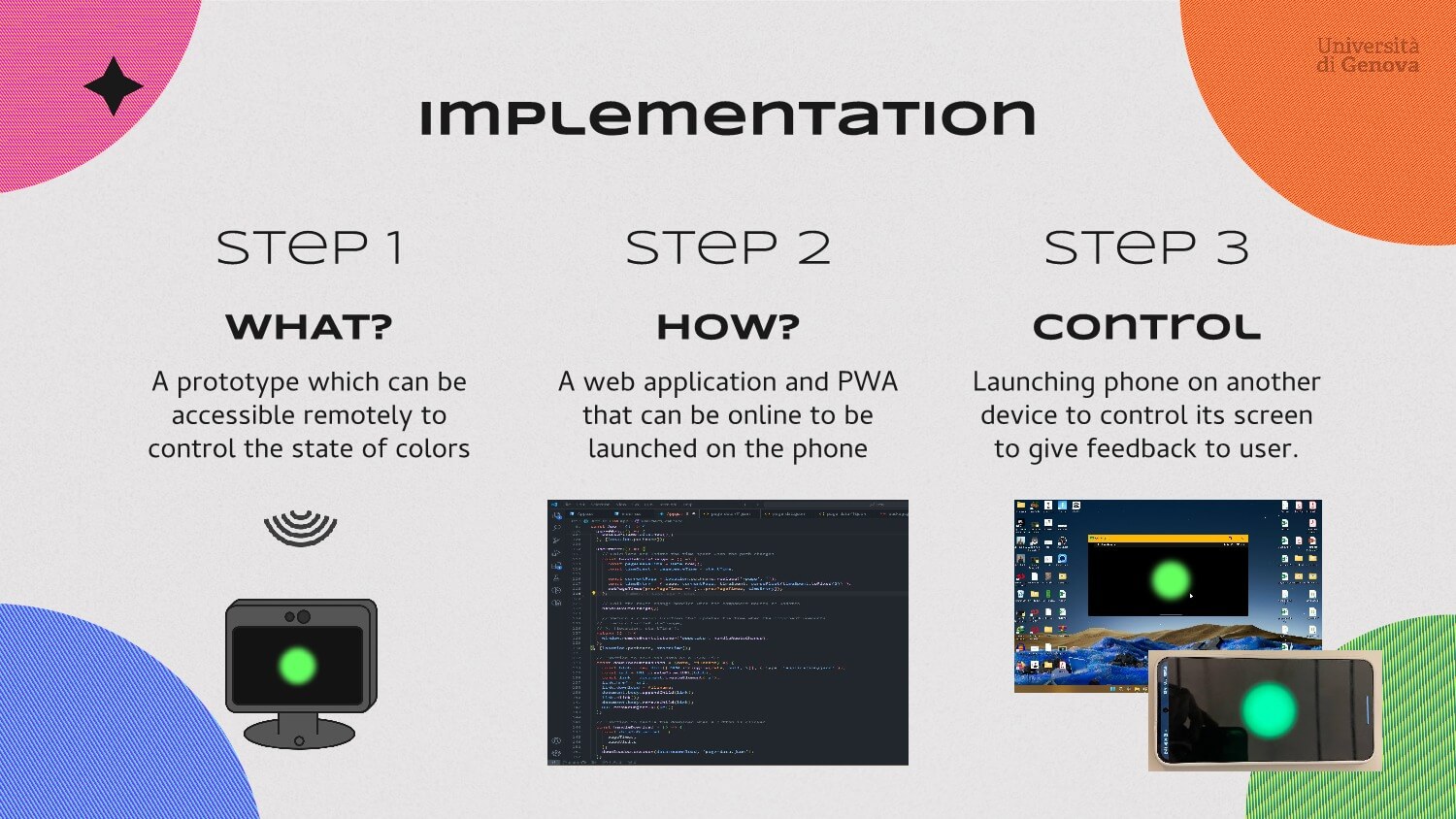
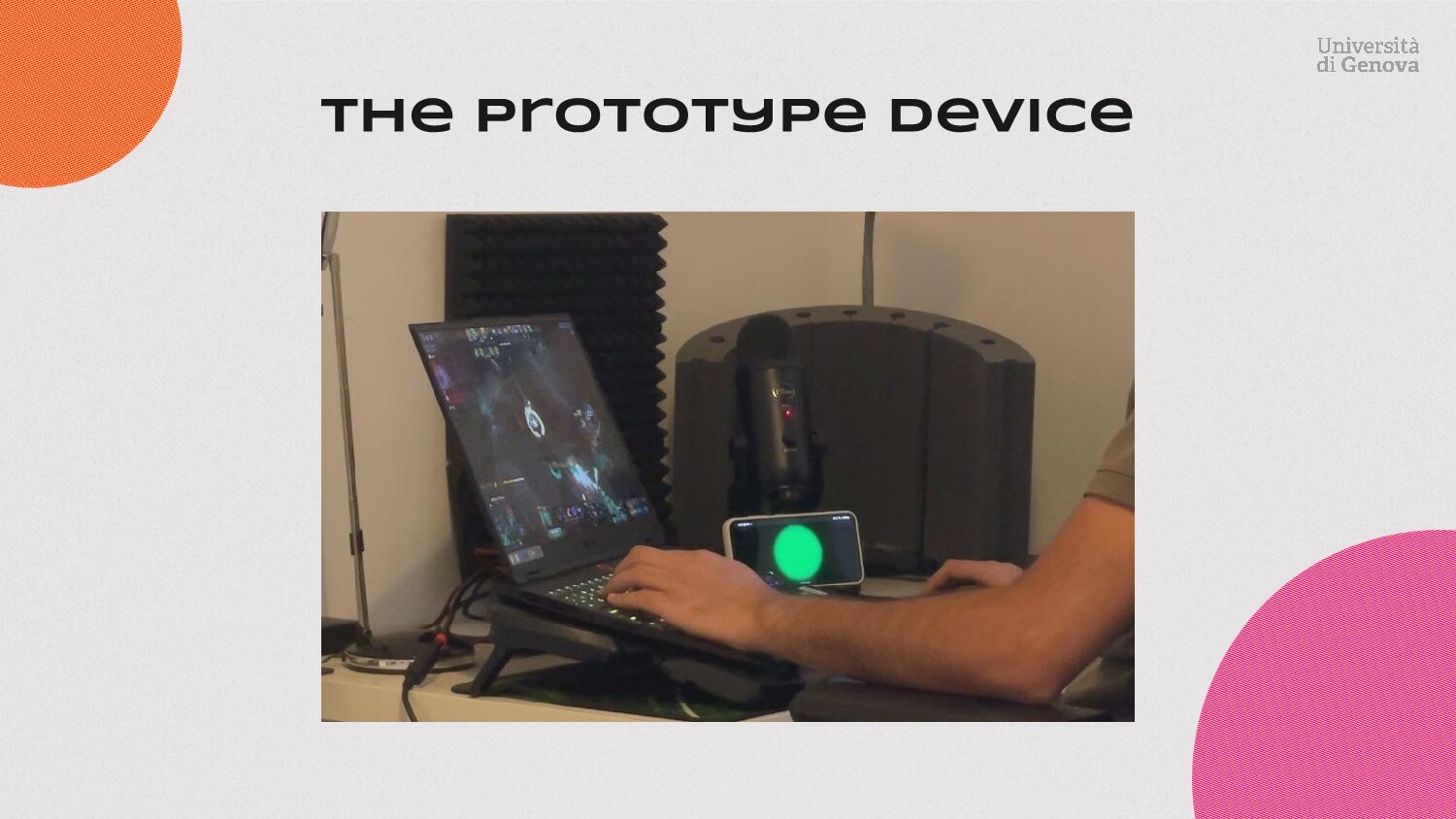
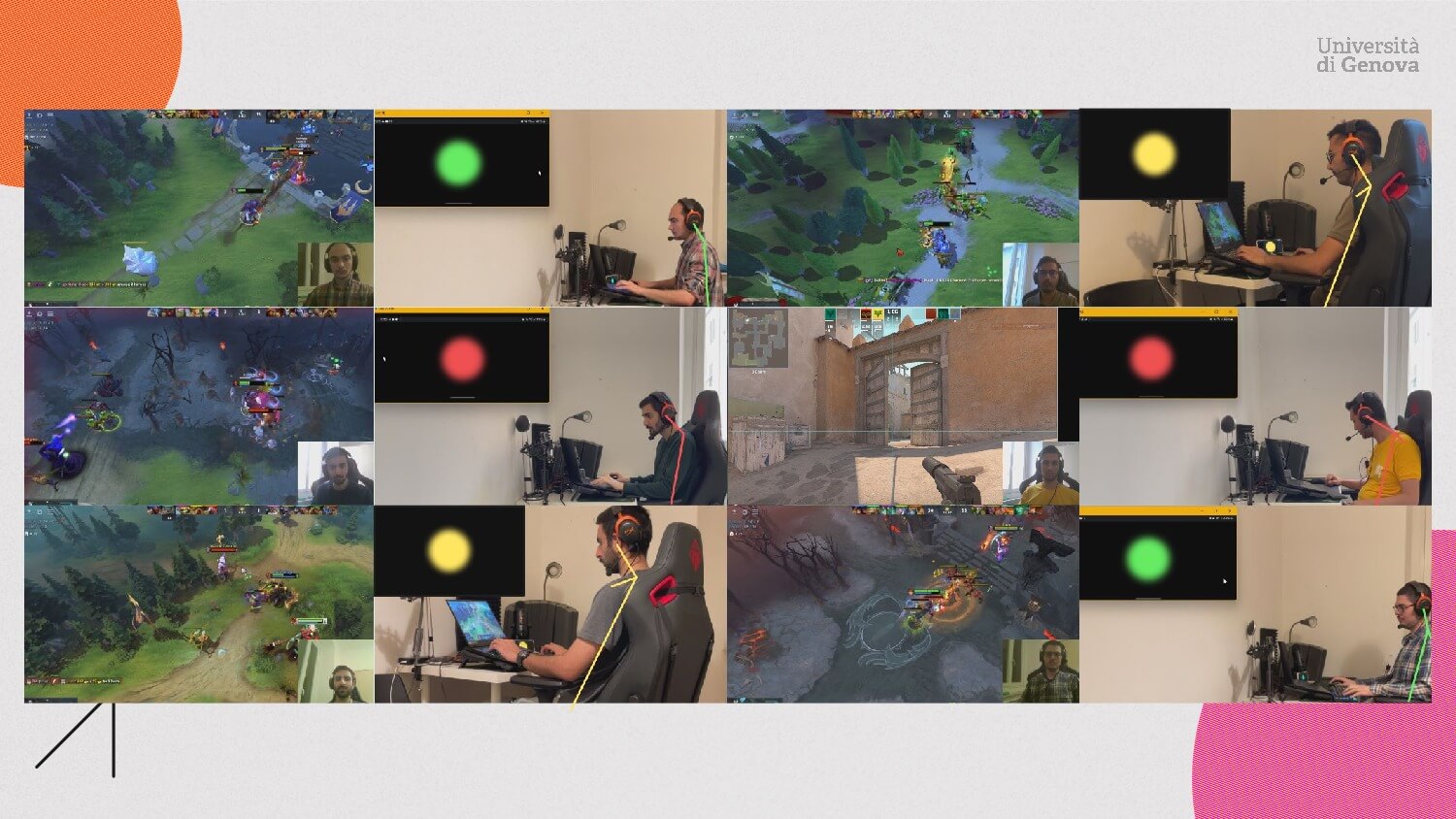
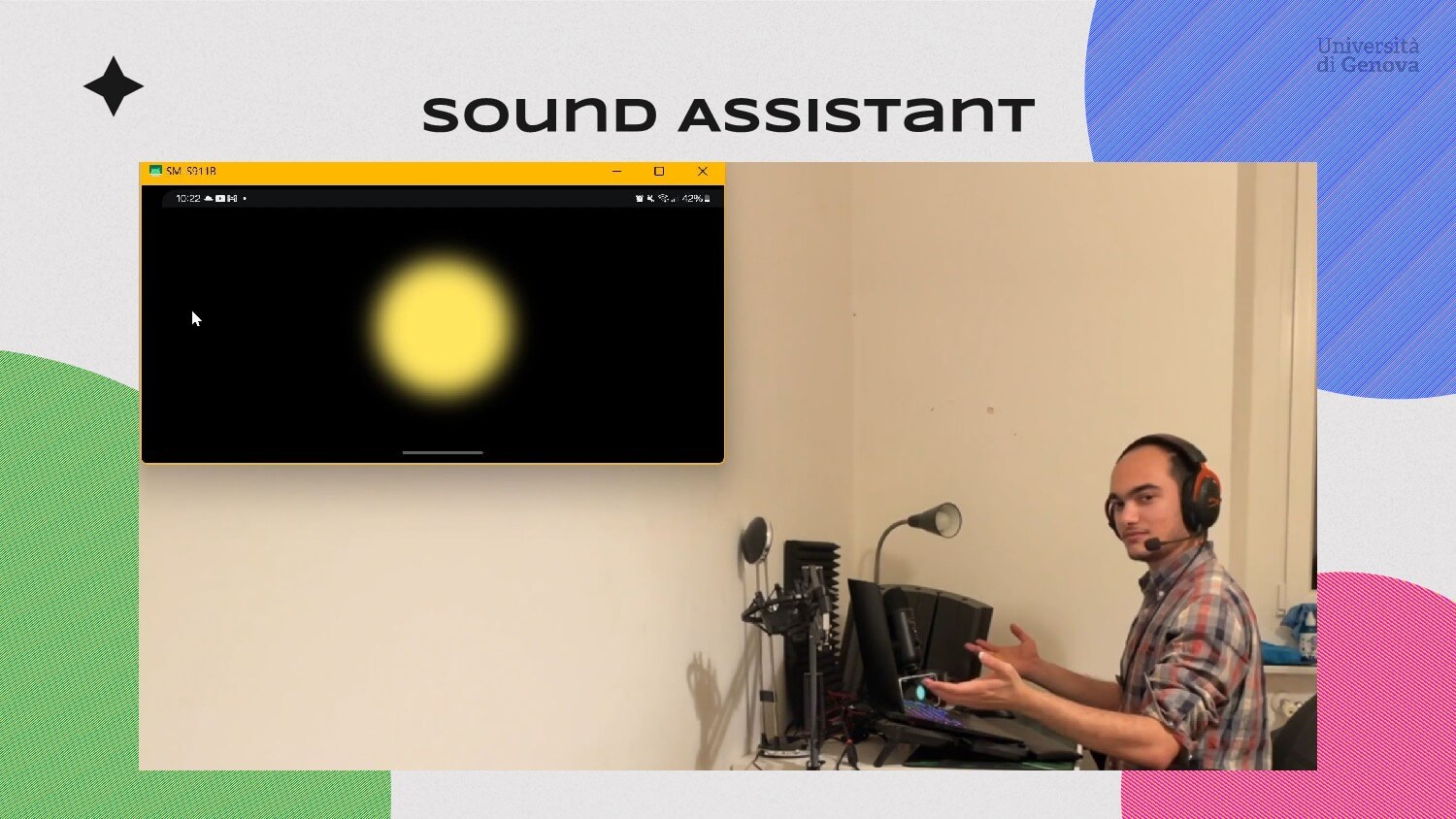
- Prototype Development: Built a webcam-based prototype capable of monitoring and analyzing user posture in real-time.
Iteration 4: Prototype Usability Testing
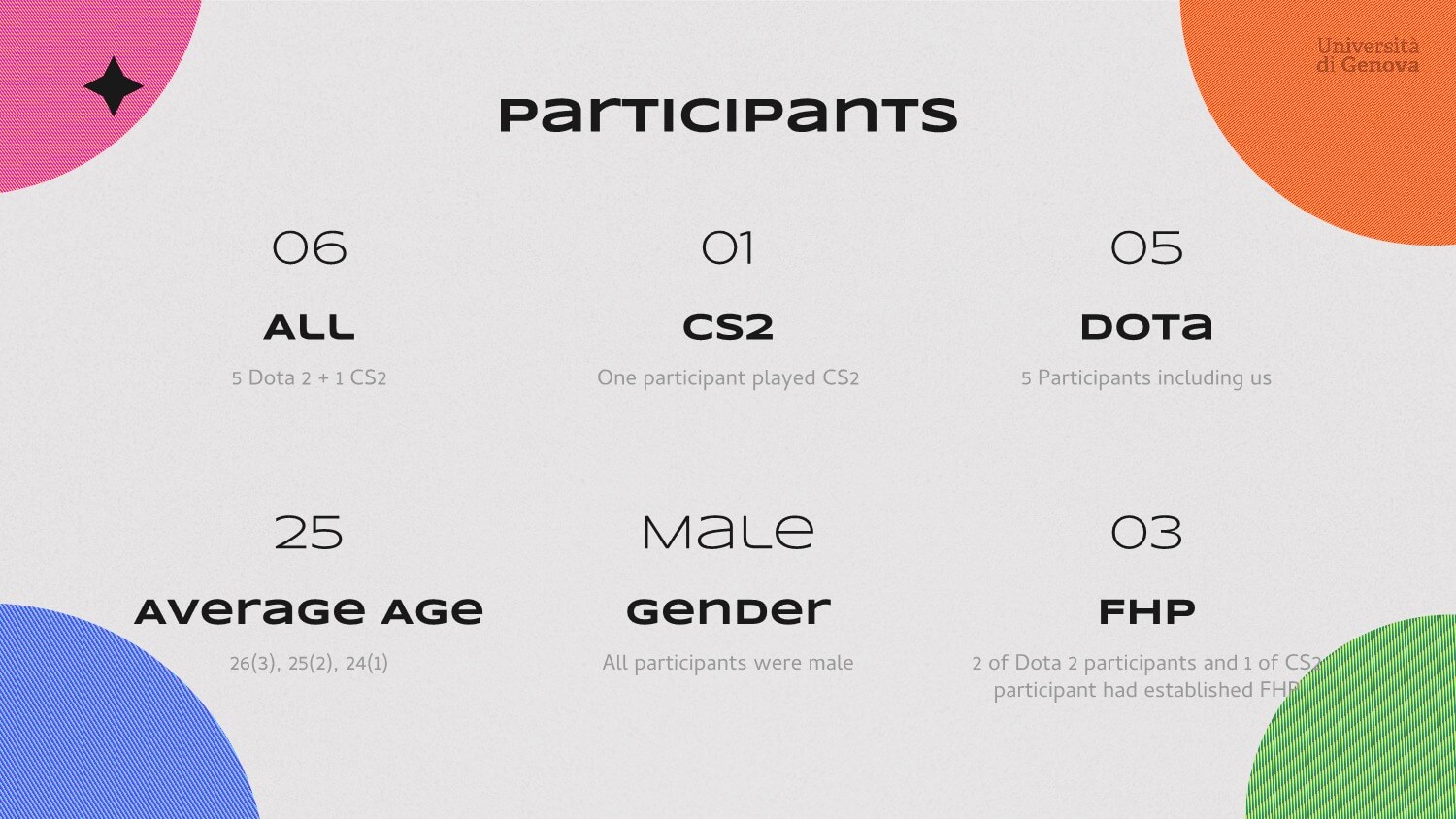
- Objective: Conduct usability testing with real users to gather data on effectiveness and user experience.
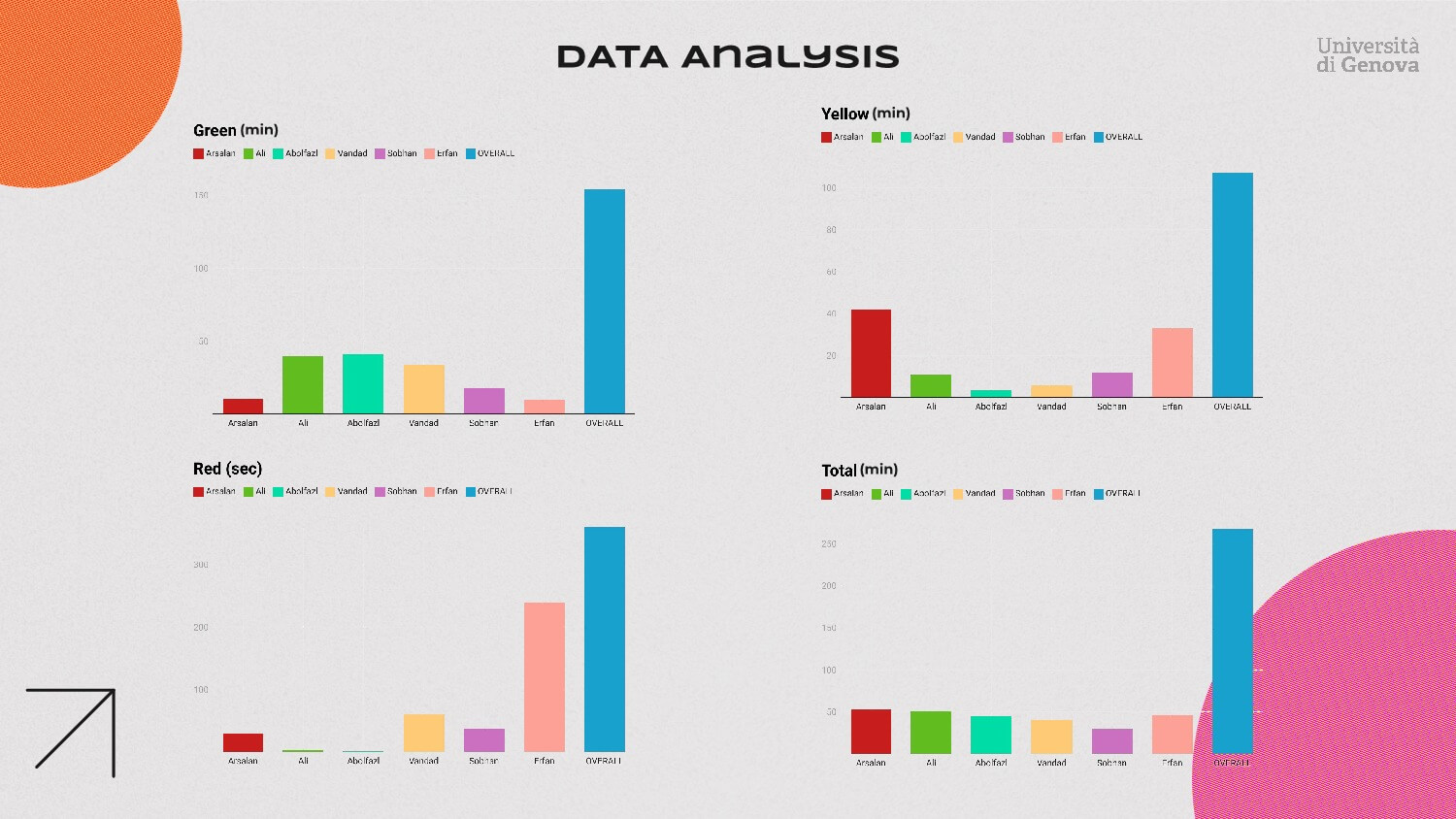
- Methodology: Utilized both qualitative feedback and quantitative measures (e.g., System Usability Scale or SUS) during gaming sessions.
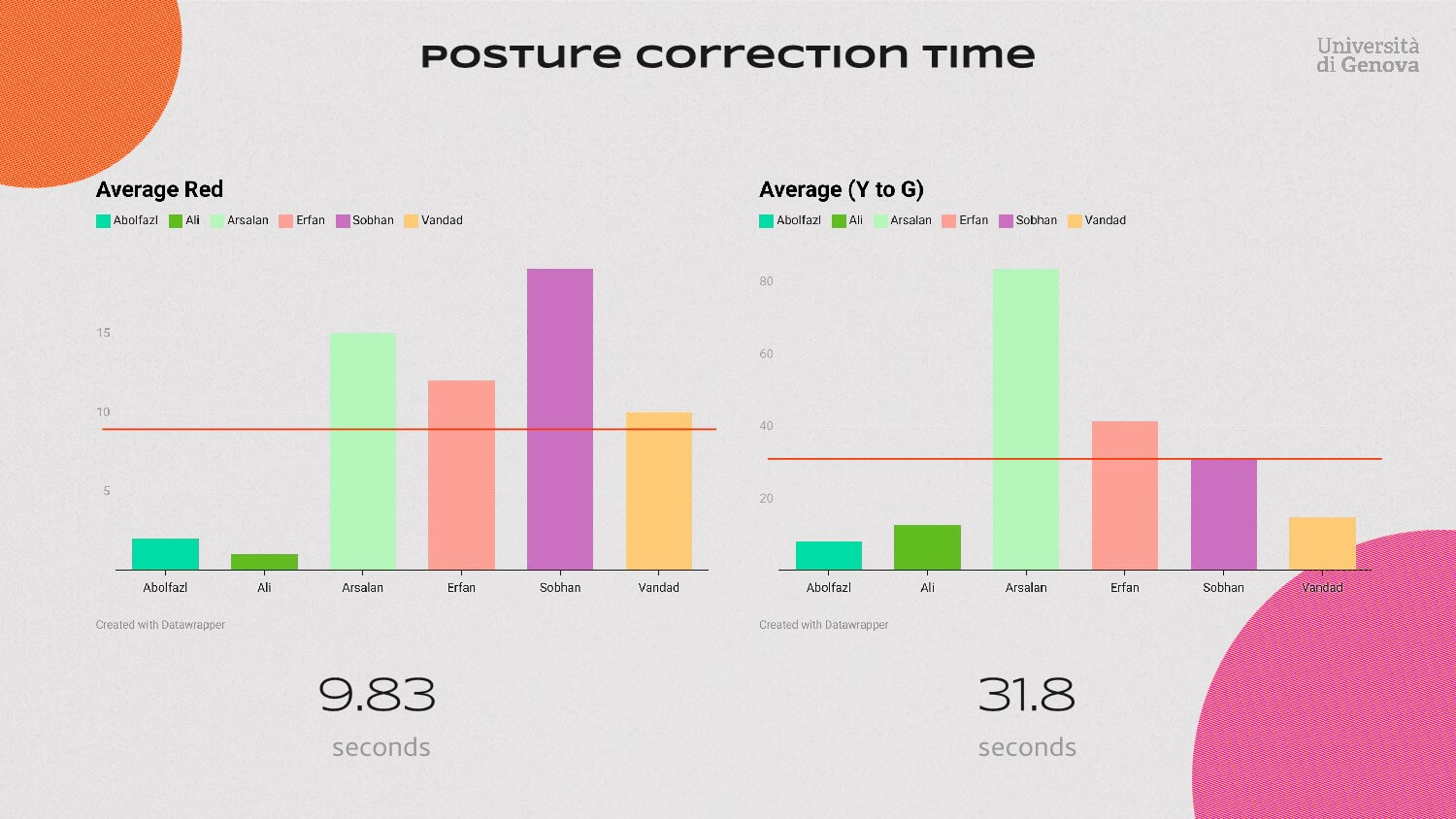
- Results: The prototype achieved an SUS score of 73.33, indicating good usability but also highlighting areas for improvement, especially in non-intrusive feedback mechanisms.
Key Finding
SUS Score: 73.33 - Indicates good usability with room for improvement in feedback mechanisms
Iteration 5: Interactive Prototype Refinement
- Objective: Refine the prototype based on feedback from previous tests.
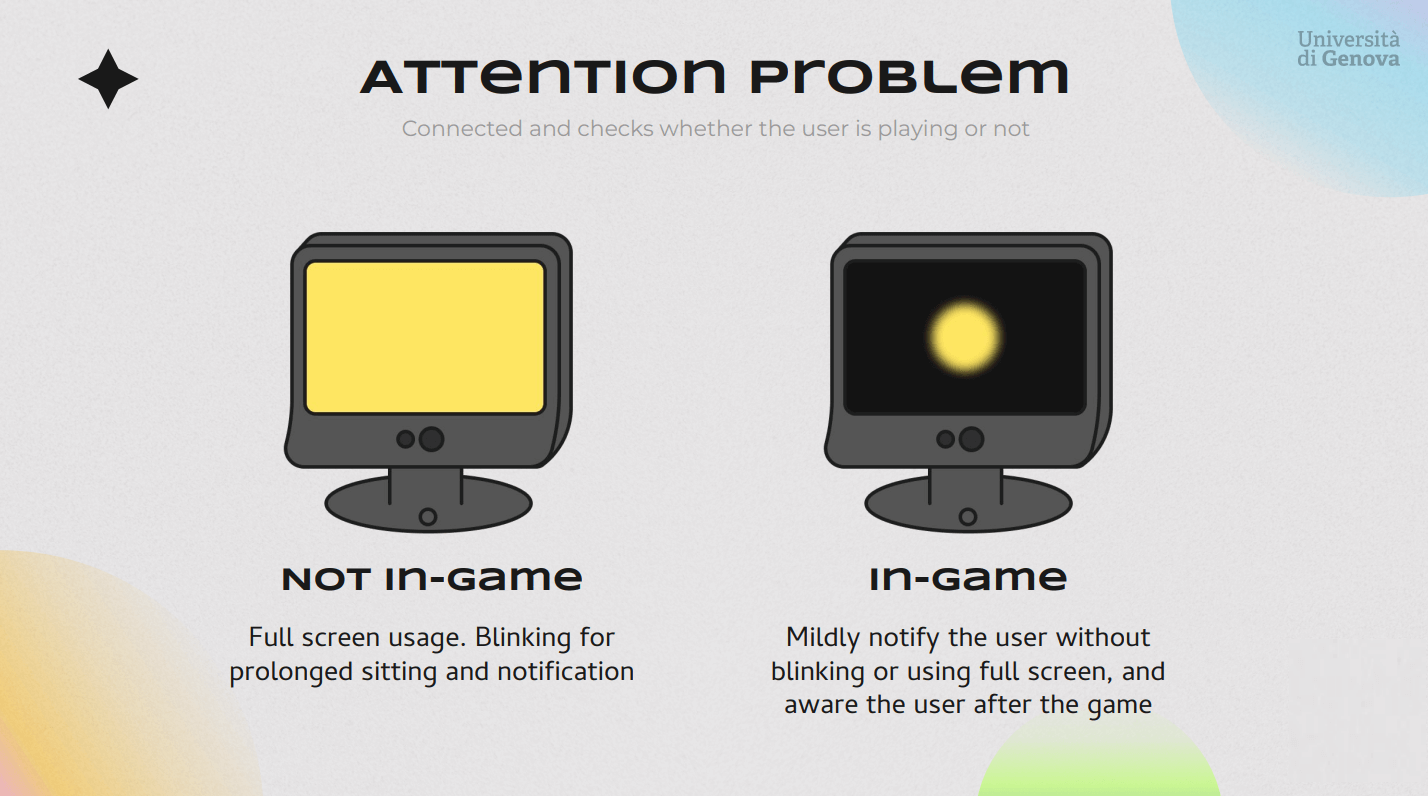
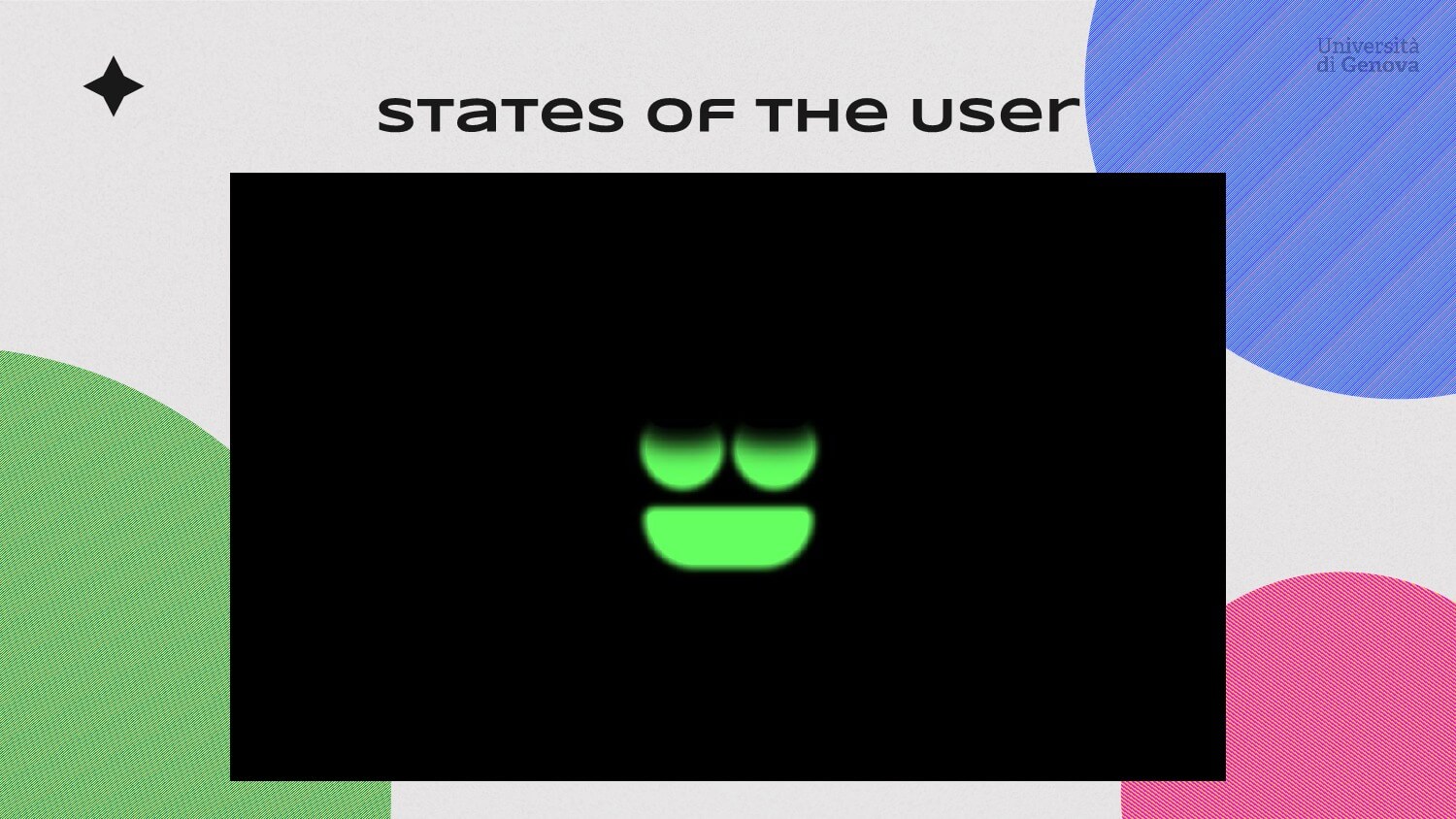
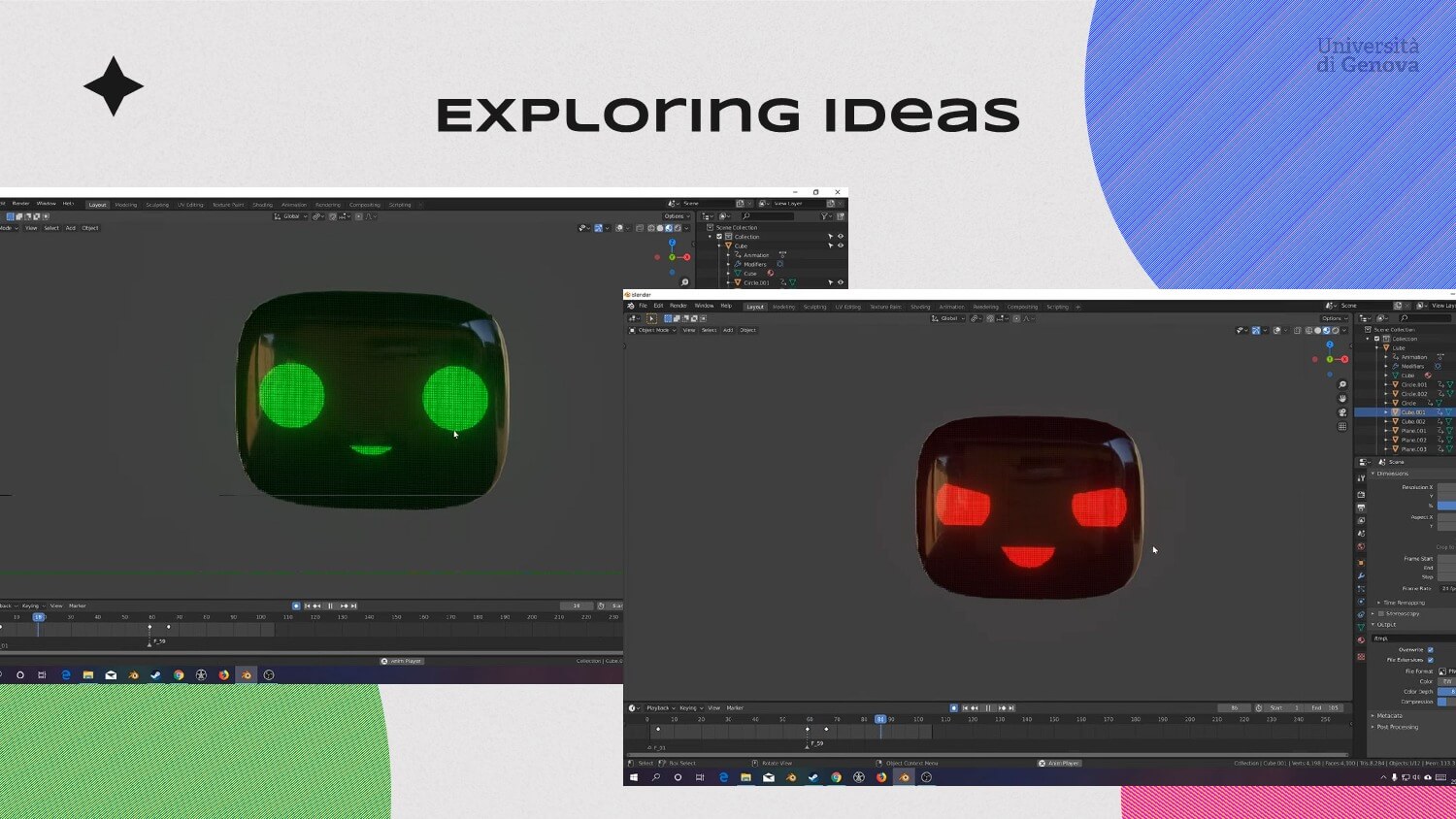
- Improvements Implemented: Enhanced the user interface for easier interaction, improved the notification system to be less distracting during intense gaming sessions, integrated ambient light adjustments to reduce eye strain.
Iteration 6: Final Heuristic Evaluation
- Objective: Evaluate the final prototype using established usability heuristics to ensure compliance with ergonomic standards.
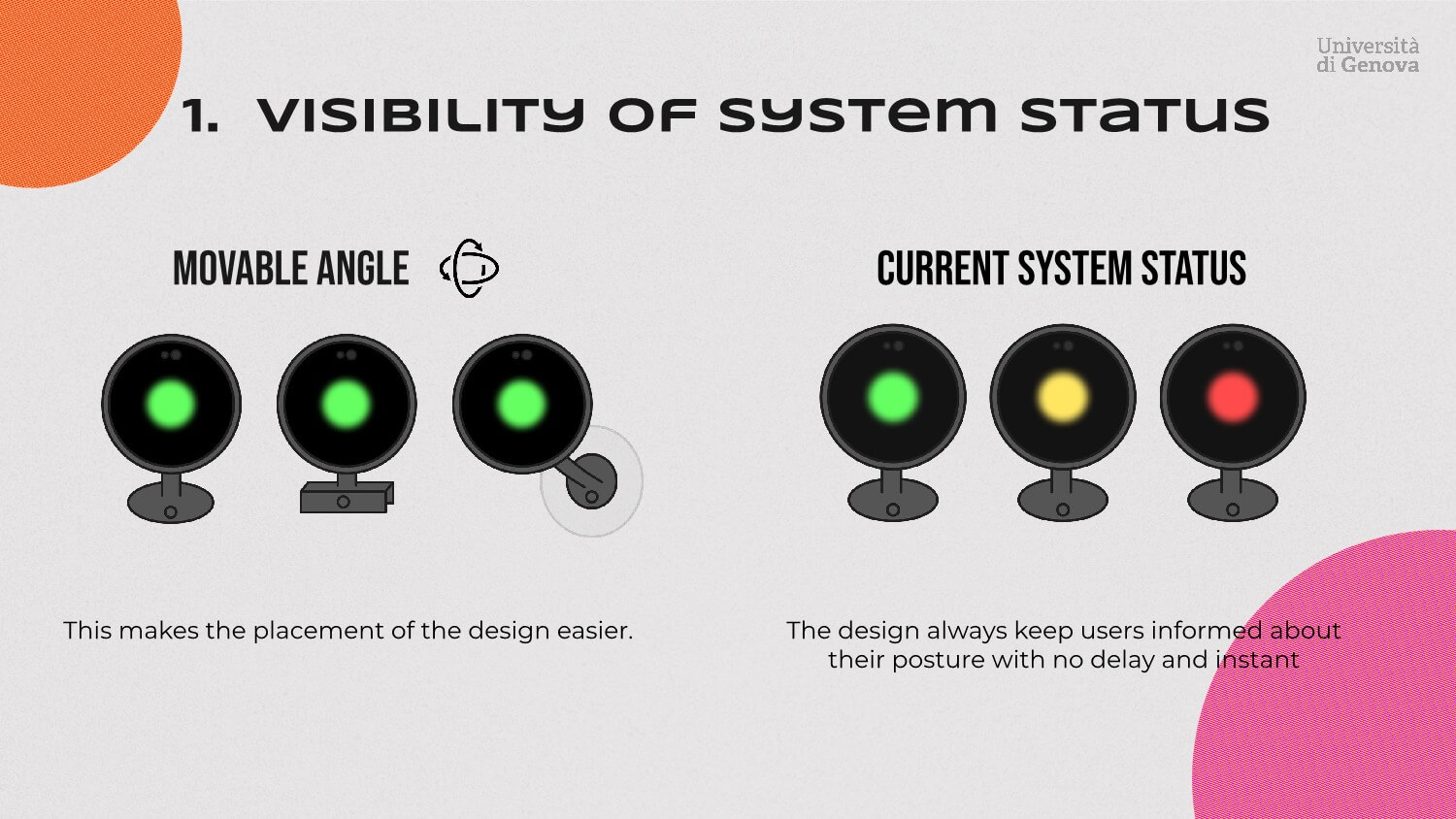
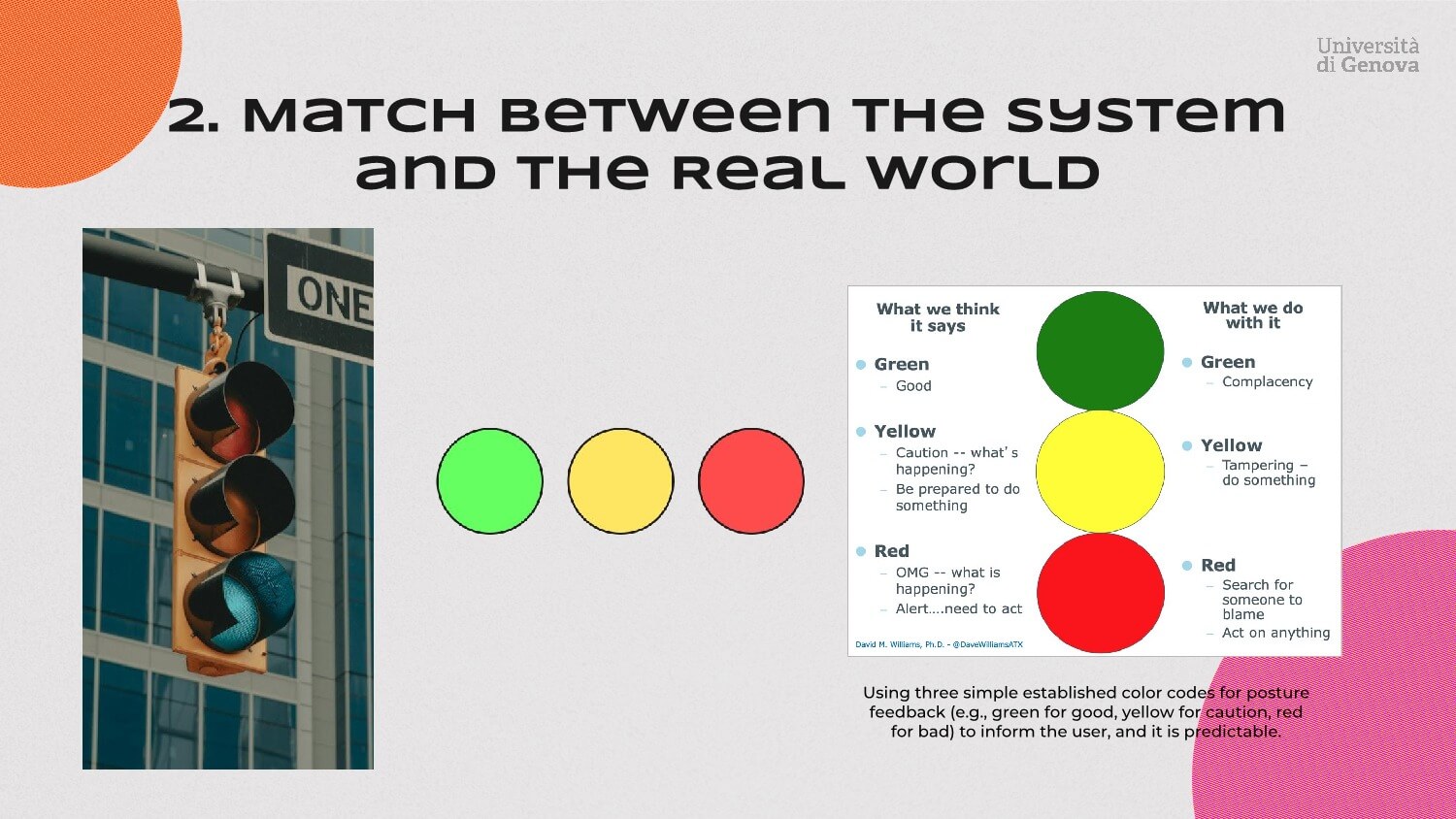
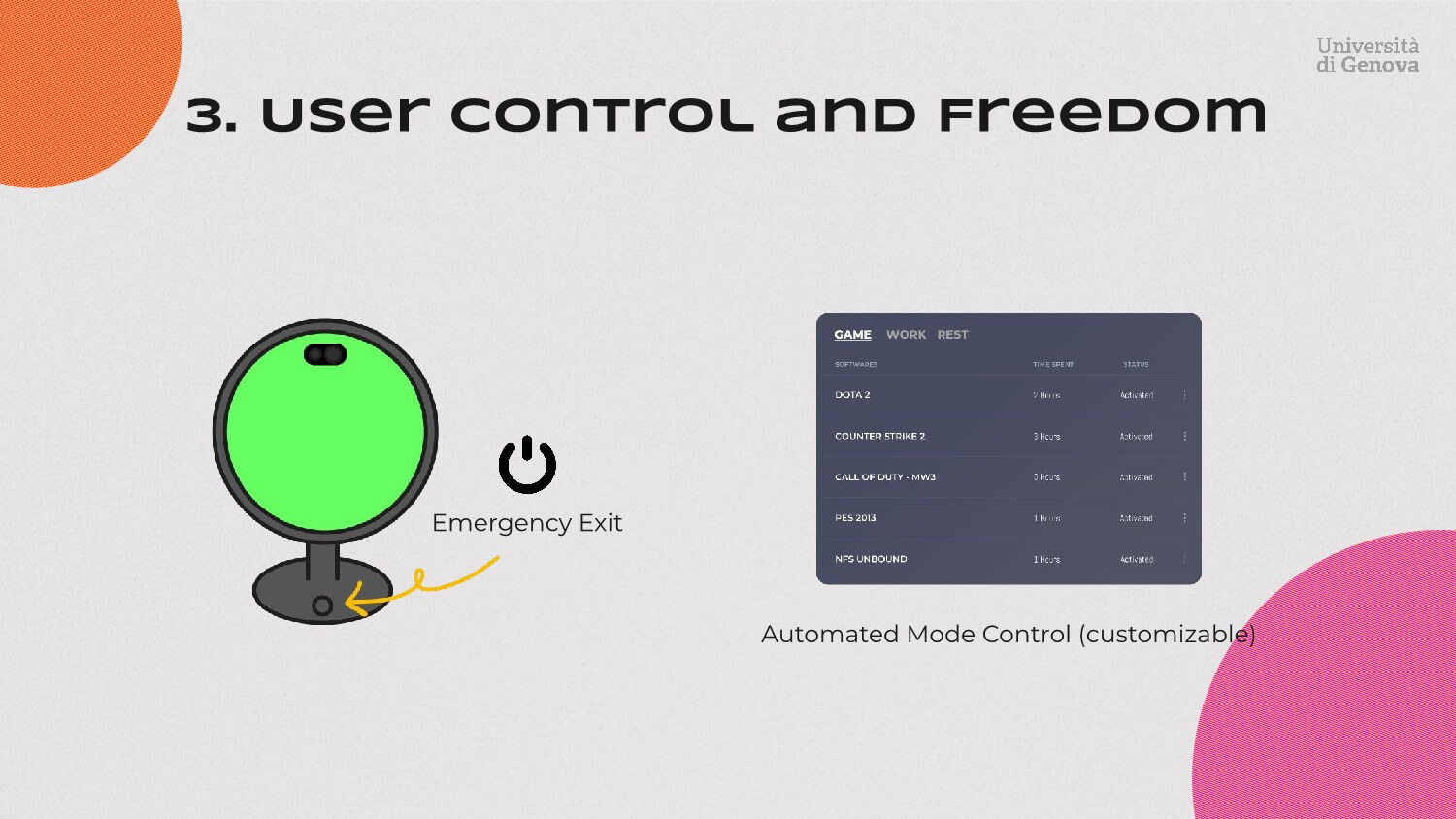
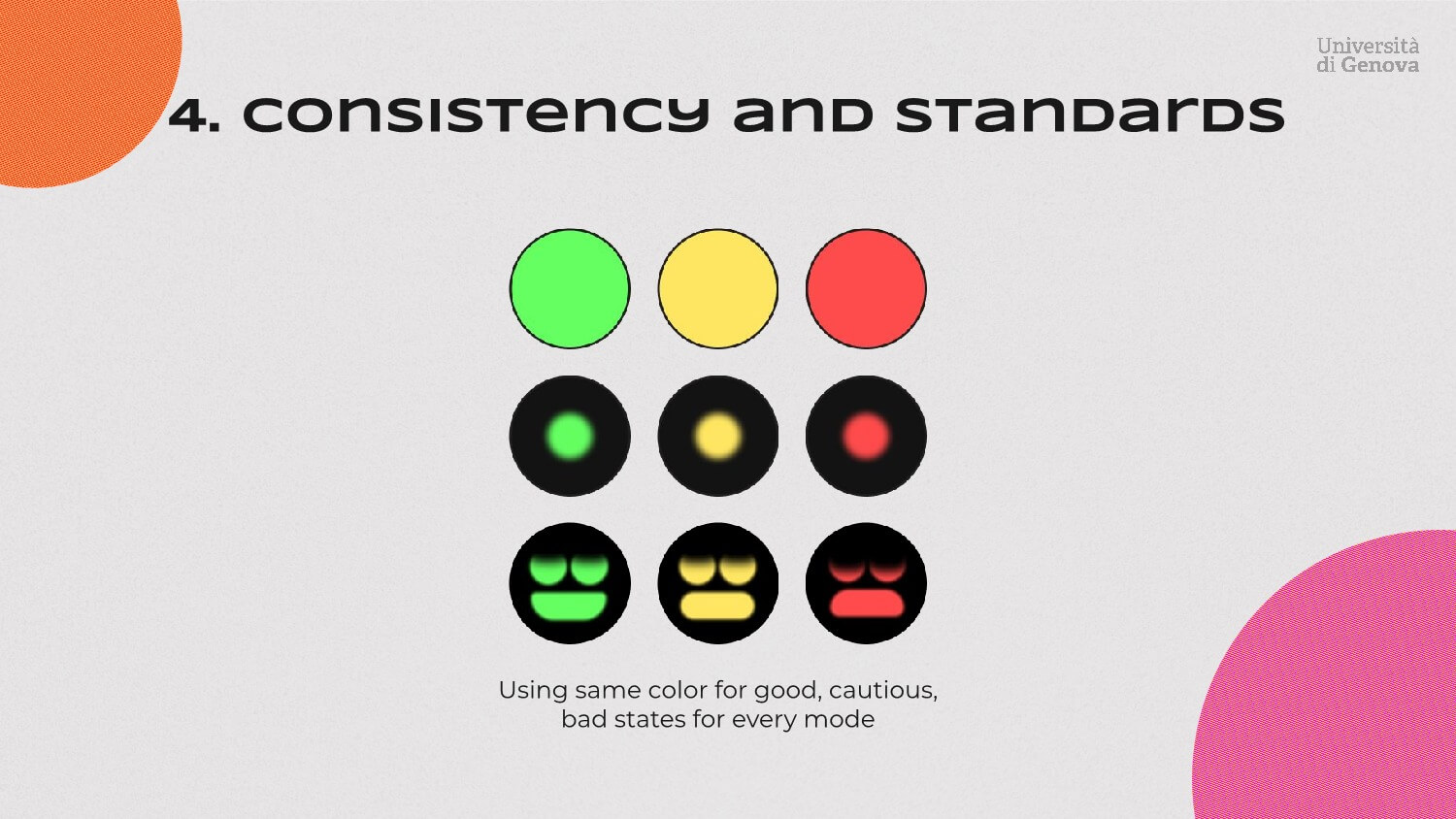
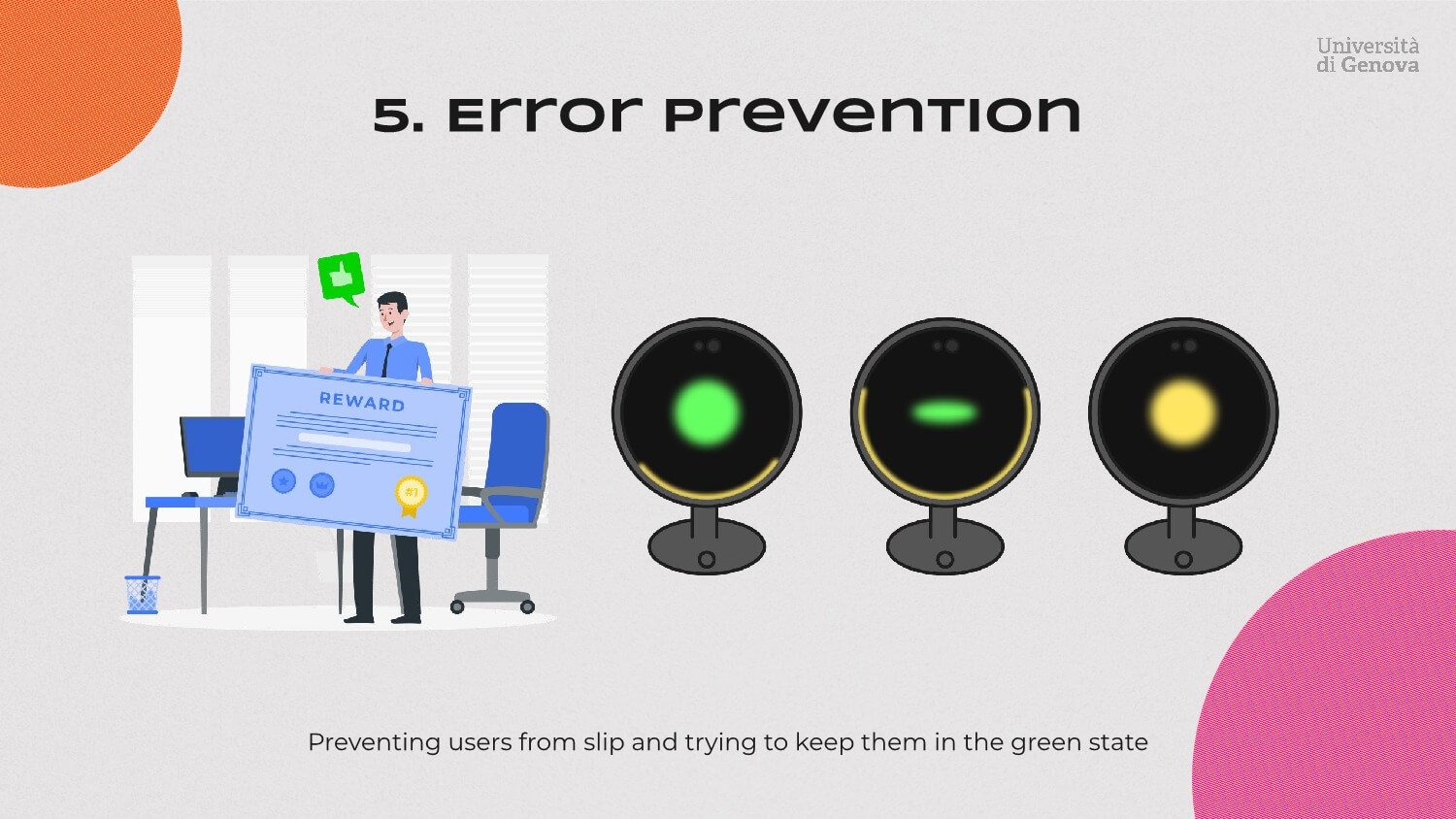
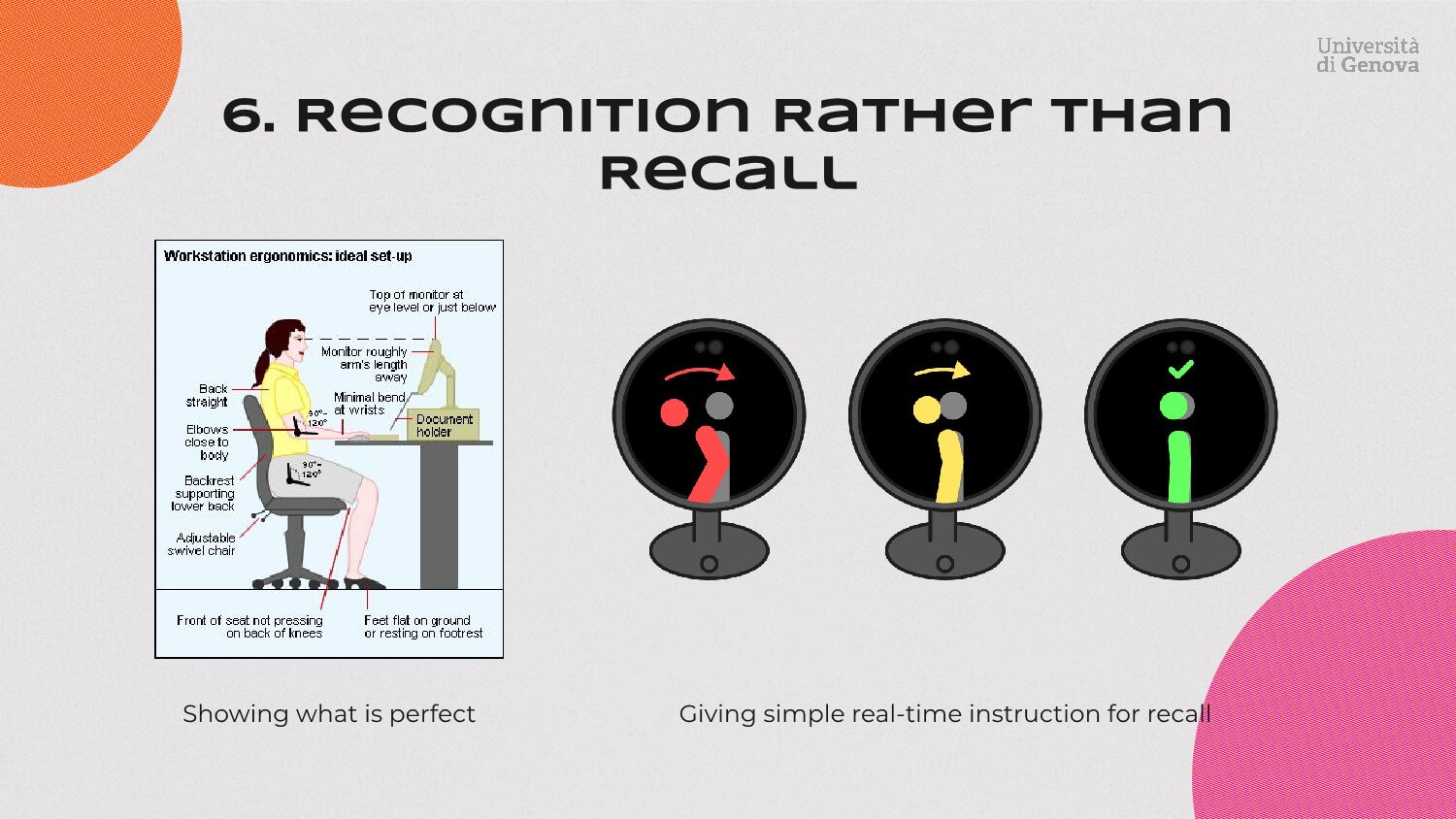
- Evaluation Criteria: Visibility of system status, user control and freedom, error prevention.
- Outcome: The system was confirmed to be intuitive and effective, providing clear, timely feedback on posture without disrupting the gaming experience.
Final Presentation and Outcomes
- Final Demonstration: Showcased the refined prototype in a comprehensive presentation, illustrating its development journey, technical specifications, and user feedback.
- Impact Demonstrated: Evidence of improved posture and potential reduction in health risks among gamers.
- Future Directions: Suggestions for future enhancements, including AI-driven posture correction and integration with gaming platforms for broader reach.
Conclusion
The "Perfect Posture" project demonstrates significant potential to positively impact gamers' health by addressing a common yet overlooked problem: poor posture during gaming. The iterative approach ensured that each phase of development was informed by user feedback and empirical testing, leading to a well-rounded and effective solution. Future work will focus on expanding the system's capabilities and exploring commercialization opportunities to make ergonomic improvements accessible to the wider gaming community.
Project impact
Through iterative design and user-centered research, we developed a solution that successfully balances health awareness with gaming enjoyment, achieving measurable improvements in user posture and awareness.
Designing for Wellness in the Digital Age
Continue the conversation
Curious about a decision behind this project?
Keep exploring